What Are the Best Swiftlane Alternatives in 2026?
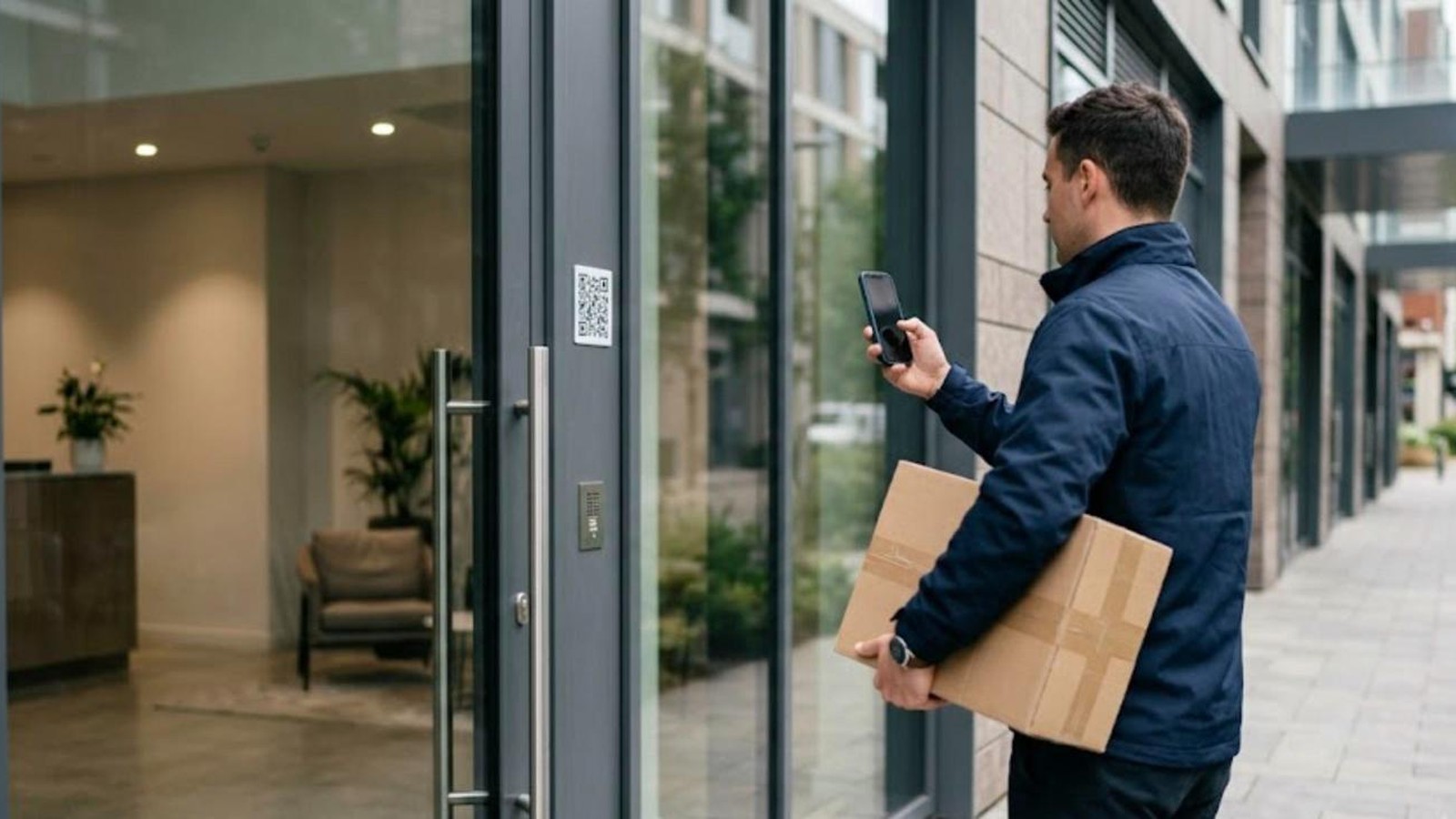
Quick Answer: The main Swiftlane alternatives in 2026 are ButterflyMX and Latch (touchscreen panel intercoms), Kisi Intercom Pro (an office-focused intercom inside an access-control platform) and DoorVi (a QR-code video intercom with no entry panel). Pick a panel if you want a screen at the door; pick a QR intercom if you want no new hardware or wiring.
Key takeaways
- Swiftlane is a strong all-in-one choice: face recognition, PIN, mobile and key-card access, and a touchscreen video intercom, with integrations for Yardi, RealPage, Entrata and AppFolio (Swiftlane).
- Swiftlane does not publish prices. Its own 2026 guide puts cloud intercom software at $5 to $15 per unit per month and hardware plus installation at $1,000 to $7,000+ per door (Swiftlane, Apr 2026).
- ButterflyMX and Latch publish panel prices: ButterflyMX from $3,995 per panel plus $30 to $42 per unit per year, Latch Intercom at $2,799 on sale (ButterflyMX, Latch).
- DoorVi, a QR-code video intercom and visitor management platform, needs no entry panel, costs up to $5 per unit per month and has no setup or installation fee.
- Whichever you choose, check how the door actually opens: a relay to the existing strike or gate operator, or an integration with PDK or Brivo.
Picture a property manager whose Swiftlane quote just landed for a 60-unit building with a lobby door and a garage gate. The quote is fine, but the board asks the obvious question: what else is out there, and do we even need a screen at the door? This guide answers that with published facts only, including the cases where Swiftlane is the better pick.
How to choose a Swiftlane alternative
Choosing an alternative comes down to four questions. Work through them in order:
- Panel or no panel? Do residents and visitors expect a touchscreen directory at the door, or is a QR code that the visitor scans with their own phone enough?
- Intercom only, or intercom plus access control? Swiftlane sells both. If you already run PDK, Brivo or another access-control system, you may only need the intercom layer.
- How does the door open? Every option needs a release: a relay wired to an electric strike, maglock or gate operator, or an integration with your controller.
- What is the five-year cost? Ask every vendor for hardware, installation, software and connectivity as separate lines.
What is Swiftlane?
Swiftlane is a US access control and video intercom company for apartments and commercial buildings. Its multi-tenant video intercom has an 8-inch touchscreen, 1080p video, an IK10 vandal rating and Power over Ethernet, and residents can unlock with face recognition, the mobile app, PIN codes or voice (Swiftlane). It also sells a separate QR code intercom: visitors scan a plaque, open a browser directory and video-call the resident, with a Swiftlane door control unit wired to the lock (Swiftlane QR intercom). Pricing is a per-unit monthly subscription, quoted on request.
On GetApp, Swiftlane holds a 4.6 rating from 129 reviews; reviewers praise remote unlock and hands-free entry, and some mention glitches in cold weather and face recognition in low light (GetApp).
Why buyers look for Swiftlane alternatives
Most buyers are not unhappy with Swiftlane; they are checking fit and price. The common reasons:
- No public pricing. You can't compare a quote-based system without asking for a quote first.
- More platform than they need. A 40-unit building with working key fobs may only need visitors to reach residents and open one door.
- Existing access control. Buildings already on PDK or Brivo want to keep their readers and add an intercom, not replace the stack.
- Old wiring or a dying call box. Swiftlane's own guide puts hardware plus installation at $1,000 to $7,000+ per door, with labor at $50 to $100 an hour (Swiftlane). For an older building, cabling is often the biggest line.
The best Swiftlane alternatives compared
Here is how the main approaches compare. Swiftlane sells both a panel and a QR option.
| Approach | Visitor uses own phone | Entrance hardware | Wiring to units | Video calling | Visitor log | Lock / relay integration | Typical cost model |
|---|---|---|---|---|---|---|---|
| Traditional audio intercom | No | Panel + handset per unit | Yes | No | No | Door release on panel | One-time hardware + labor |
| Wired video intercom | No | Panel + monitor per unit | Yes | Yes | Rarely | Door release on panel | One-time, high labor |
| Cloud touchscreen panel (Swiftlane, ButterflyMX, Latch) | No | Touchscreen panel | No (app) | Yes | Yes | Built-in or controller | Hardware + subscription |
| App-based visitor management | Partly | Usually none | No | Varies | Yes | Varies | Subscription |
| QR video intercom (DoorVi) | Yes | QR sign, no panel | No | Yes | Yes | Relay (ESP32, Sonoff, Tasmota, Waveshare), PDK, Brivo | Up to $5 per unit per month, no setup or installation fee |
Named alternatives: published facts
| Swiftlane | ButterflyMX | Latch Intercom | Kisi Intercom Pro | DoorVi | |
|---|---|---|---|---|---|
| Entry hardware | 8" touchscreen panel; SwiftReader for face recognition; QR plaque option | 8" or 12" panel, $3,995 to $6,495 | Non-touch display panel, $2,799 sale ($3,999 regular) | Video doorbell unit (one-way video to staff) | No panel; QR code at the door; optional tablet "digital concierge" |
| Software price | Quote-based, per unit per month | $30 to $42 per unit per year | Not published | Intercom license required; not published | Up to $5 per unit per month (one unit covers up to 6 members) |
| Setup / installation | Quote-based | Quote-based | Not published | Not published | No setup or installation fee |
| Wiring | PoE to panel; door control unit at the door | Power + network at panel | Ethernet, Wi-Fi or cellular | PoE; Kisi Controller Pro 2 for unlock | None for the intercom itself |
| Lock / gate | Own access control; key cards, gates, elevators | Access control and door release | Remote unlock via Latch app | Kisi controllers and readers | Relay (ESP32, Sonoff, Tasmota, Waveshare); official PDK partner; Brivo integration |
| Delivery handling | Temporary PINs; Amazon Key for Business | – | Delivery bundle on request | Kisi Visitor Management | Delivery pre-approval and six-digit guest codes |
| Visitor log | Photo audit log | – | – | Via Kisi platform | Yes |
| Best fit | Apartments and offices wanting one access + intercom vendor | Apartments wanting a branded panel | Buildings with a main door and no doorman | Offices and workplaces | Apartments, gated communities and offices that want no panel and no wiring |
| Support | – | – | – | – | Tickets resolved within 24 hours |
Sources: Swiftlane apartment intercom, Swiftlane QR intercom, ButterflyMX pricing (Sep 2026), Latch Intercom, Kisi Intercom Pro. Prices change, so confirm before you buy. "–" means not checked at source.
ButterflyMX: the closest panel alternative
ButterflyMX is the most direct swap if you want a touchscreen panel. It is one of the few vendors with public list prices, and it also offers a QR code intercom. We compare it in detail in our ButterflyMX alternatives guide.
Latch Intercom: a lower-priced panel
Latch's intercom lists at $2,799 on sale, connects over Ethernet, Wi-Fi or cellular, and routes calls to residents, a front desk or a manager in the Latch app (Latch). It suits a building with a main door and no doorman.
Kisi Intercom Pro: for offices already on Kisi
Kisi's intercom is a compact video doorbell that calls staff through the Kisi dashboard or app, with one-way video and remote unlock through a Kisi Controller Pro 2 (Kisi). It fits offices on Kisi access control better than apartments.
DoorVi: no panel, no wiring
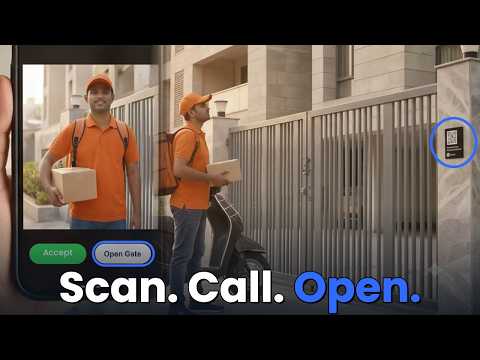
DoorVi replaces the panel with a QR code. Visitors scan it, choose the apartment and video-call the resident from their own phone, with no app download. The resident answers in the DoorVi app and taps to open. You can try the visitor flow yourself in about a minute.
How DoorVi opens the door: relays, PDK and Brivo
The intercom call is only half the job; the door has to open. DoorVi does it three ways:
- Relay: an ESP32, Sonoff, Tasmota or Waveshare relay wired to the existing strike, maglock or gate operator. The Waveshare ESP32 relay connects over 2.4 GHz Wi-Fi and MQTT and is added in Relay Manager on the admin dashboard. See how relay retrofits work on existing gates.
- PDK: DoorVi is an official ProdataKey (PDK) integration partner, live at customer sites (PDK integration).
- Brivo: DoorVi integrates with Brivo, so a building keeps its readers and credentials (Brivo integration). More in connecting an intercom to access control.
The same relay handles gate automation for a garage or visitor parking gate. For parking solutions beyond the gate, DoorVi's QR tag for cars and vehicles lets anyone contact a car's owner about a blocked spot or an accident without seeing their number.
The user journey with a no-panel intercom
Visitor or delivery driver: scans the QR code at the lobby door or gate, picks the apartment and video-calls the resident from their own phone. Planned guests use a six-digit guest code or a pre-approval pass instead of calling. Couriers can be pre-approved too (how delivery drivers get into apartment buildings).
Resident: answers the video call in the DoorVi app and taps to open. Several household members can be linked to one apartment, so whoever is home can answer. Visitors don't see the resident's number unless "Callback Number" is on.
Property manager: uploads residents by CSV, picks an entry mode (QR only, guard plus QR, or tablet plus reception) and manages relays, PDK or Brivo doors from the admin dashboard at multi.doorvi.co. Every visit is in the visitor log.
Before vs after: before, a visitor waits at a dead call box or a panel that needs a network drop. After, the visitor scans, the resident sees them on video and the door opens.
- Day 1: QR signs posted, residents imported.
- Week 1: relay or PDK/Brivo connection tested on each door.
- Month 1: the visitor log replaces guesswork about who came in.
Cost example: 60 units, two entries, five years
Assumptions: 60 apartments, a lobby door and a garage gate that already have an electric strike and a gate operator, five-year view. Swiftlane and Latch software is quote-based, so the cloud-panel row uses Swiftlane's own published ranges.
| Option | Year 1 | Each later year | 5-year total | Not included |
|---|---|---|---|---|
| Cloud panel at Swiftlane's published ranges | $5,000–$15,000 hardware + install (2–4 doors) + $3,600–$10,800 software | $3,600–$10,800 | $23,000–$69,000 | Access-control readers |
| ButterflyMX, 2 × 8" surface panels | $7,990 + $1,800–$2,520 software | $1,800–$2,520 | $16,990–$20,590 | Installation, wiring |
| DoorVi QR video intercom | Up to $3,600 (60 × $5 × 12); $0 setup, $0 installation | Up to $3,600 | Up to $18,000 | Relay work if a door has no release |
Ranges from Swiftlane's 2026 cost guide and ButterflyMX pricing. Honest reading: per unit, DoorVi's subscription can be higher than ButterflyMX's software fee. The saving comes from skipping panels, cabling and installation. If you already have working panels, a software-only switch may not pay off. For the full breakdown, see how much an apartment intercom system costs.
Where DoorVi fits best
- Buildings with a dead call box or no intercom: no panel to buy and no phone line to pay for.
- Older buildings where cabling is expensive: visitors and residents use their own phones.
- Properties already on PDK or Brivo: keep the access control and add visitor video calls on top.
- Gates and parking entrances: a QR sign and a relay turn an existing gate operator into phone-based gate automation.
- Predictable cost: up to $5 per unit per month, no setup or installation fee.
- Support within 24 hours: DoorVi resolves support tickets within 24 hours.
When Swiftlane or another option makes more sense
- You want face recognition or one vendor for readers, key cards and the intercom. That is Swiftlane's strength.
- You want a touchscreen directory at the door. Swiftlane, ButterflyMX or Latch fit better.
- You need deep property-management integrations such as Yardi, RealPage, Entrata or AppFolio out of the box. Swiftlane lists all four.
- Many visitors arrive without a smartphone or mobile data. A QR intercom needs the visitor's phone; a panel or DoorVi's tablet option at reception is safer.
- Your panels are new and working. Keep them.
FAQ
What are the best Swiftlane alternatives?
The main ones are ButterflyMX and Latch for touchscreen panel intercoms, Kisi Intercom Pro for offices already on Kisi access control, and DoorVi for a QR-code video intercom with no panel or wiring. The right one depends on whether you want a screen at the door and whether you already have access control.
How much does Swiftlane cost?
Swiftlane doesn't publish prices; it sells a per-unit monthly subscription quoted on request. Its own 2026 guide puts cloud intercom software at $5 to $15 per unit per month and hardware plus installation at $1,000 to $7,000+ per door across the market.
Does Swiftlane have a QR code intercom?
Yes. Swiftlane sells a QR code intercom where visitors scan a plaque and video-call residents from their browser, with a Swiftlane door control unit connected to the lock.
Is there a Swiftlane alternative without a panel?
Yes. DoorVi uses a QR code at the door instead of a panel. Visitors call from their own phone and residents open the door from the app, through a relay, PDK or Brivo.
Can DoorVi work with my existing access control?
If you run PDK or Brivo, yes: DoorVi is an official PDK integration partner and integrates with Brivo. For other systems, a relay wired to the strike, maglock or gate operator opens the door.
How much does DoorVi cost?
Up to $5 per unit per month, with no setup or installation fee. One unit covers up to six members.
What support does DoorVi provide?
DoorVi's support team resolves tickets within 24 hours.
Can I try DoorVi before buying?
Yes. The interactive demo at doorvi.co/try-demo shows the visitor and resident flow, and you can book a 15-minute call with the team.
Related questions
- Swiftlane vs ButterflyMX: which is better for apartments? (ButterflyMX alternatives)
- Does a QR code intercom work for gated communities? (QR entry systems compared)
- Can I add a video intercom to PDK or Brivo without new readers? (our guide)
- How much does it cost to replace a broken apartment intercom? (apartment intercom cost)
- What is the best intercom for a small condo under 50 units?
Next step: get your five-year number
Send us your door count and current hardware and get a five-year number in 15 minutes: book a demo, or try the visitor flow yourself. DoorVi costs up to $5 per unit per month with no setup or installation fee, and our support team resolves tickets within 24 hours.
By the DoorVi Team. DoorVi builds QR-code video intercom and visitor management for apartment buildings, gated communities and offices, and connects visitor calls to real locks through relays, PDK and Brivo.
Last updated: 21 October 2026